


 4 mins read


Every 39 seconds, somewhere in the world, a cyberattack succeeds.[1] In healthcare, that statistic isn’t just a number. It’s a patient record, a billing system, or a contact center queue going dark. And unlike a retail breach where a customer loses a credit card, a healthcare breach can delay surgeries, disrupt care, and expose sensitive information.
Managing healthcare contact centers, data security is no longer a concern you pass up the chain to IT. It sits right in the middle of every customer interaction, every patient inquiry, and every call handled across your omnichannel stack.
So why does data security in healthcare matter so much in 2026? The answer is more layered and more urgent than it has ever been.
Let’s understand the essential details.
How is Data Security in Healthcare Constantly Under Threat?
Healthcare has held an unwelcome distinction: it is one of the most expensive industries for data breaches. In 2025, the average cost of a U.S. healthcare data breach reached $9.8 million per incident, still far outpacing the global cross-industry average [2].
Attacks in healthcare have come a long way from what they used to be. Ransomware is still a big problem, but the ways attackers get in have changed and expanded. It’s no longer just about breaking through firewalls. Now it’s phishing emails that trick busy staff, vulnerabilities in third-party vendors, or compromised user accounts that quietly open the door.
And here’s the real concern: breaches in healthcare often go unnoticed for far too long. That gives attackers plenty of time to move around, access sensitive data, and deepen the impact before anyone even realizes something is wrong.
Here are a couple of ways data security in healthcare is under constant threat:
Patient Data Is the Most Valuable Data on the Dark Web
Medical records contain everything: legal names, social security numbers, insurance policy details, diagnoses, prescription histories, and financial information. A stolen medical record is far more valuable to bad actors than a credit card. This is because they can use it to commit insurance fraud, prescription fraud, or identity theft. To make matters worse, unlike a credit card, a stolen medical record can’t simply be canceled.
This is precisely why healthcare has become the most frequently breached industry globally. The combination of high-value data, complex systems, and often under-resourced security teams makes it an attractive target.
For contact centers and patient-facing support teams, the risk is especially acute. Voice interactions, chat logs, and patient queries are all potential vectors for data exposure. You need to ensure that the underlying communication infrastructure is a 100% secured end-to-end.
The Regulatory Environment Is Tightening in 2026
The HIPAA Security Rule (which hasn’t seen major changes since 2003) is expected to be finalized in a significantly updated form in May 2026. And this isn’t a minor tweak. It’s shaping up to be one of the biggest overhauls in more than twenty years.
Here’s what that means in plain terms:
- All safeguards become mandatory: The longstanding distinction between “required” and “addressable” security controls is being eliminated. Every covered entity will need to implement them.
- Mandatory multi-factor authentication (MFA): Not just for remote access, but across all systems handling electronic protected health information (ePHI).
- Encryption at rest becomes required: Previously treated as “addressable,” encryption of stored ePHI is moving into the non-negotiable column.
- Annual compliance audits: Covered entities will need to conduct formal audits at least once every 12 months.
Organizations that are finalized will have a specific window to achieve compliance. You will have to factor in technology upgrades, workforce training, contract reviews, and vendor management.
Suggested Reading: The Hidden Compliance Risks in Your Business Communication System (And How to Solve Them)
The Contact Center as a Data Security Vulnerability
Here’s something that doesn’t get said enough: your contact center may be one of your greatest data security risks.
Think about what moves through a typical healthcare contact center on any given day. Agents verify patient identities using sensitive identifiers. Support staff look up billing information. Sales teams discuss insurance coverage. Patients share symptoms, prescriptions, and provider history. This might sometimes happen across multiple channels simultaneously, from phone to chat to email.
If the platform handling all of this isn’t built with security as a foundation, every one of those interactions is a potential liability.
Common vulnerabilities in healthcare contact centers include:
- Unencrypted voice and chat channels that transmit ePHI without end-to-end protection
- Fragmented channel management, where data shared in one channel (say, SMS) isn’t visible or logged in another, creating gaps and compliance blind spots
- Weak or absent MFA for agent login, especially in work-from-home environments
- Third-party vendor risk, where contact center software providers themselves become attack surfaces
An omnichannel contact center platform built for healthcare needs to address all of these, not as add-ons, but as core infrastructure.
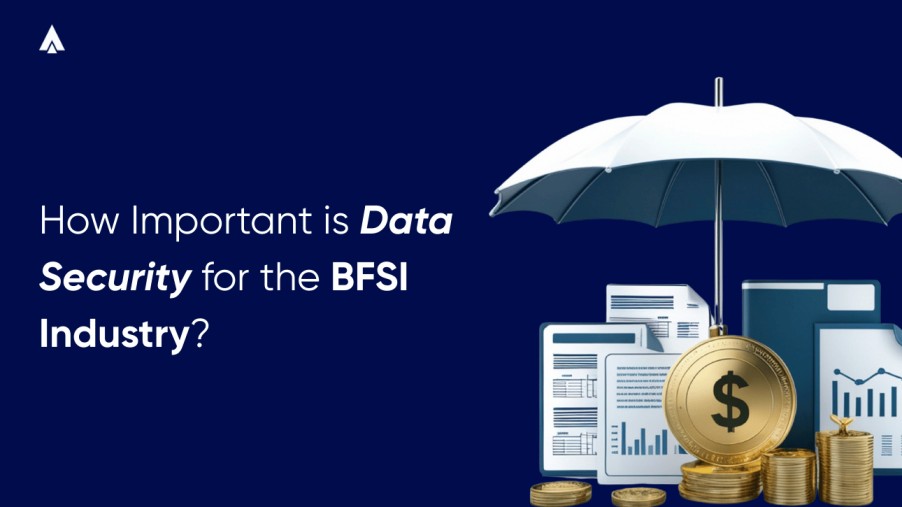
Read blog: Data Security for the Financial Industry?
What Strong Healthcare Data Security Looks Like in Practice?
Understanding the problem is one thing. Knowing what a secure environment actually looks like is another.
In a healthcare contact center context, data security isn’t a checklist, instead it’s an architecture. It means choosing platforms where encryption, role-based access, audit logging, and compliance reporting aren’t bolt-ons but native capabilities.
Here are some key features that can help you ace compliance:
End-to-End Encryption
Protects patient data across voice, chat, email, and SMS channels. It ensures sensitive information stays secure while being transmitted. This reduces the risk of interception or unauthorized access during communication. Encryption should be standard across every touchpoint, not limited to select systems.
Role-Based Access Controls
Limit data access based on job responsibility. Agents only see the information required to perform their tasks. Billing teams can view payment details without accessing clinical records. Clinical staff can access treatment information without seeing unnecessary financial data. This reduces internal risk and accidental exposure.
Detailed Logs and Audit Trails
Record every interaction, login, and data access event. These records support compliance reporting and internal reviews. They also help teams quickly reconstruct incidents if a breach occurs. Clear visibility into system activity strengthens both accountability and response time.
Real-Time Monitoring and Threat Detection
Continuously track system behavior to identify unusual patterns. Alerts notify teams of suspicious logins, data access spikes, or abnormal activity. Faster detection allows quicker containment. Early action significantly reduces operational disruption and financial impact.
Vendor Security Assessments
Evaluate the security practices of third-party providers. Contact center platforms and other business associates handle sensitive data daily. Their controls, certifications, and compliance standards directly affect your risk profile. Strong vendor oversight reduces exposure across the entire ecosystem.
Suggested reading: Create a Virtual Contact Center for Healthcare Organizations
Data Security in Healthcare is Now a Strategic Imperative
In 2026, data security in healthcare is no longer just an IT responsibility or a compliance checkbox. It directly affects patient trust, operational continuity, and regulatory standing. Every interaction, whether it happens over voice, chat, email, or SMS, carries sensitive information that must be protected by design, not by patchwork fixes.
As threats grow more sophisticated and regulations become more demanding, you need to think beyond basic safeguards. Security has to be embedded into your systems, workflows, vendor relationships, and everyday processes.
That means investing in platforms built with encryption, access controls, audit visibility, and compliance readiness at their core. It means evaluating partners not just on features and cost, but on how seriously they treat data protection.
Prioritizing strong, architecture-level security today will help you be better positioned to protect patient data and maintain uninterrupted care. This way, you can confidently meet the evolving regulatory expectations of tomorrow.
References
[¹] https://www.demandsage.com/data-breach-statistics/
FAQs
Data security matters more than ever because organizations store vast amounts of sensitive information in digital systems and cloud platforms. Cyberattacks are growing in scale and sophistication. Breaches disrupt operations, damage reputations, and trigger regulatory penalties. Strong security protects customer trust, ensures compliance, and safeguards business continuity.
The five pillars of data security are confidentiality, integrity, availability, authentication, and accountability. Confidentiality limits unauthorized access. Integrity ensures data remains accurate and unaltered. Availability keeps systems accessible when needed. Authentication verifies user identities. Accountability tracks actions through logs and monitoring, ensuring traceability and compliance.
AI helps security teams detect threats faster andmonitor systems around the clock. It can automatically flag unusual behavior and reduce response times. At the same time, attackers use AI to scale phishing campaigns, mimic human behavior, and automate complex attacks.
Zero Trust follows the principle of “never trust, always verify.” Every user and device must be authenticated before gaining access. This approach limits how far attackers can move inside a network. If one system is compromised, the damage can be contained.
Data privacy is about who can access information and how it is used. It focuses on consent,permissions, and governance policies.
Data security is about how information is protected. It includes tools and controls such as encryption, firewalls, and continuous monitoring.