


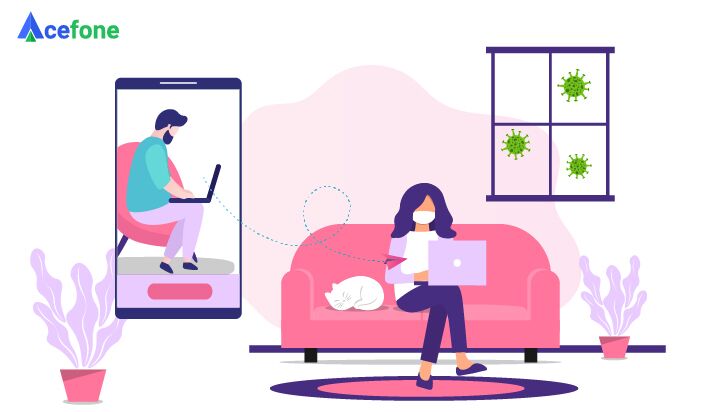


The COVID-19 pandemic marked one of the most disruptive periods in modern business history. What began as a global health crisis quickly became a stress test for business continuity, digital maturity, and leadership decision-making.
By 2026, the pandemic will no longer be an operational concern, but its lessons will remain deeply relevant. Remote work, digital-first customer service, cloud communications, and crisis preparedness are no longer “temporary fixes.” They are now core operating principles.
Businesses that internalised these lessons have emerged more resilient, scalable, and customer-centric. Those that didn’t are still playing catch-up.
Here are seven invaluable lessons from the COVID era—and how organisations can apply them effectively in 2026 and beyond.
1. Remote and Hybrid Work Are Now Structural, Not Temporary
Before 2020, remote work was considered a perk. By 2026, it is an operating model.
The pandemic proved that productivity is not tied to physical presence. Organizations that once equated attendance with performance learned that outcomes, responsiveness, and collaboration matter more than location.
To support distributed teams, businesses have increasingly adopted cloud-based communication infrastructure such as VoIP solutions and Contact Center software
These systems allow employees to log in securely from anywhere, take business calls on any device, and collaborate without dependency on office hardware.
2. Employee Safety Is a Business Continuity Requirement
COVID permanently expanded the definition of workplace safety. It’s no longer limited to physical hazards—it now includes health, mental well-being, and digital security.
Modern organizations now:
- Design flexible attendance policies
- Normalize mental health days
- Use cloud systems to reduce physical dependencies
- Enable agents to work securely without exposing personal data
For customer-facing roles, tools like buy virtual numbers and number masking help protect employee privacy while maintaining professional communication.
3. Digital-First Is No Longer Optional—It’s the Primary Channel
The pandemic accelerated digital adoption by years. In 2026, digital is the default—for marketing, sales, and customer service.
Customers now expect:
- Instant responses
- Omnichannel availability
- Consistent brand communication
Businesses that succeed invest in:
- Omnichannel communication solutions
- AI-enabled customer engagement
- Content-led digital presence through blogs and thought leadership
Acefone regularly explores this shift in its insights, such as cloud communication blogs.
4. Collaboration Needs Systems, Not Just Intent
Remote work exposed the limits of email and phone calls. Teams needed real-time collaboration, shared context, and instant communication.
By 2026, high-performing teams rely on:
- Unified communication platforms
- Cloud calling integrated with CRM
- Real-time chat and call conferencing
Modern business phone systems allow teams to collaborate seamlessly across departments, geographies, and time zones without information silos.
5. Crisis Preparedness Is Now a Core Leadership Skill
COVID revealed a hard truth: most businesses were not crisis-ready.
In response, organizations now prioritize:
- Cloud-native infrastructure
- Centralized access to business data
- Scalable communication tools
- Backup systems and redundancy
Contact centers, for example, now prefer cloud-based call center software that allows agents to operate remotely without service disruption.
Explore Acefone’s call center solutions
6. Siloed Information Slows Decision-Making
During the pandemic, siloed teams struggled the most. When information was locked within departments, decision-making stalled.
In 2026, organizations focus on:
- Centralized dashboards
- Integrated CRM and communication tools
- Shared visibility across customer journeys
Solutions like CRM-integrated VoIP and contact center providers enable teams to access customer history, previous interactions, and context instantly—reducing dependency on individuals.
7. Security and Compliance Must Be Built In, Not Retrofitted
The rapid shift to remote work exposed security gaps across industries. Businesses learned that compliance cannot be reactive.
Modern communication platforms now emphasize:
- Secure cloud infrastructure
- Data encryption
- Role-based access
- Regulatory compliance (GDPR, telecom regulations, etc.)
Acefone’s cloud communication ecosystem is designed to support secure, compliant, enterprise-grade communication across regions.
Wrapping Up:
The pandemic was a turning point. What started as emergency measures have now become best practices.
Organizations that embraced cloud communication, remote collaboration, digital-first engagement, and resilient systems are better positioned for:
- Future disruptions
- Workforce flexibility
- Scalable customer service


