


 5 mins read


Your IVR worked fine at 200 calls a day. Now you’re handling 2,000, and customers are hanging up before they even get to the menu. That is not a call volume problem. It is an architecture problem.
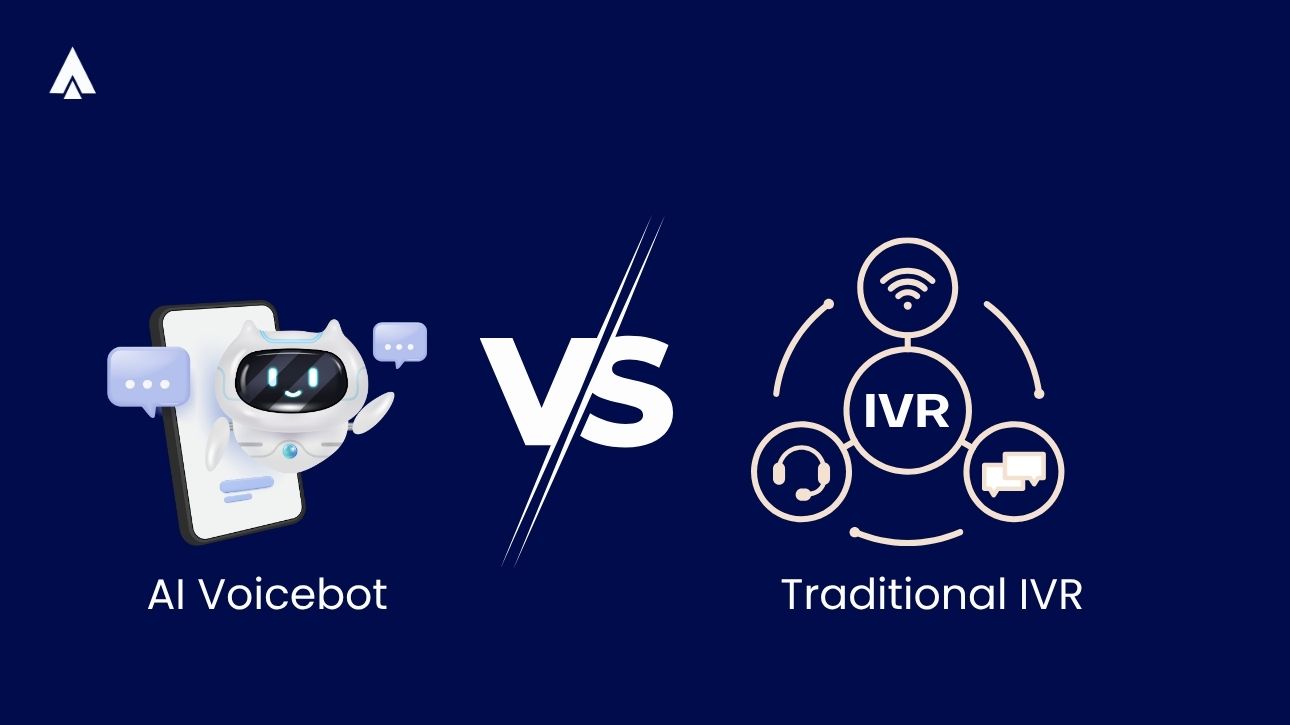
IVR and voice bots both live in the phone channel. That is where the similarity ends. One routes callers to humans. The other resolves calls entirely. For a business growing fast enough to feel the difference, choosing between them is one of the most consequential operational decisions you will make this year.
Here is the comparison you actually need.
What Is the Difference Between a Voice Bot and an IVR?
IVR (Interactive Voice Response) is a menu-driven system. A caller dials in, hears a set of options, and presses a key or says a keyword. The system routes them to the right queue or plays a pre-recorded message. That is the end of the benefits of IVR you can get. It does not understand natural language. It does not fetch data. It does not complete transactions. It routes.
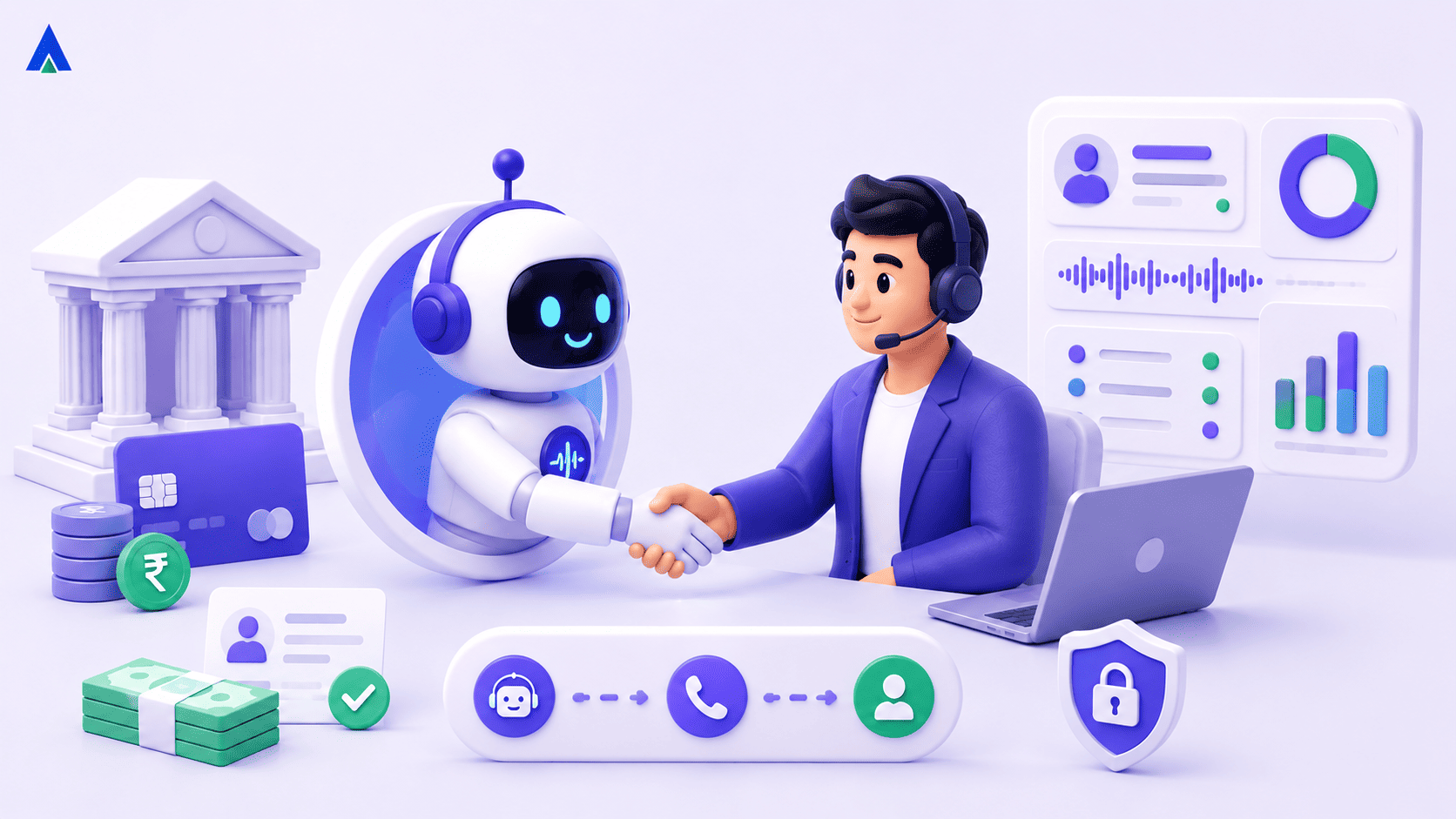
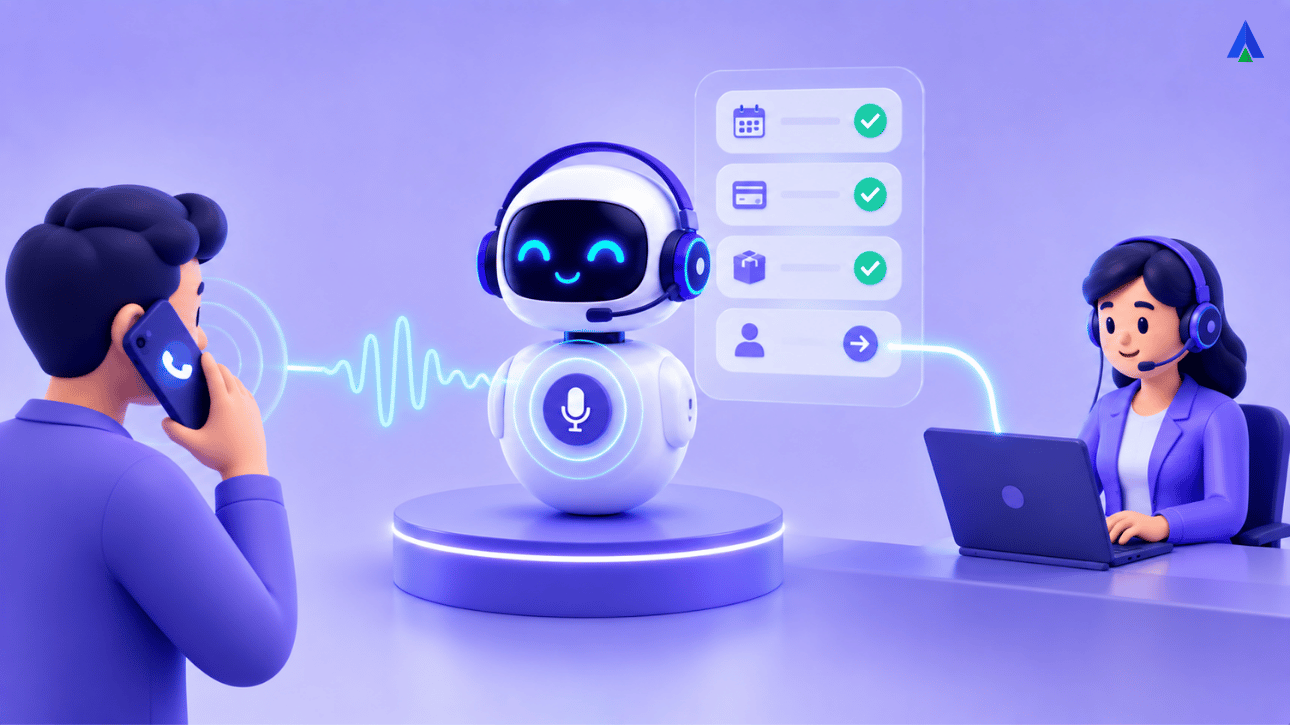
A voicebot is a conversational AI system that handles the full call. It understands natural language, responds dynamically, and executes tasks. If you want to understand what an AI voice bot actually is and how it differs from an IVR at a technical level, that distinction is worth exploring before you evaluate platforms. A voice bot can fetch a caller’s order status from your CRM, confirm a COD order, send a payment link via SMS, and book a callback appointment, all within a single call. No agent required.
The distinction matters because most businesses do not outgrow IVR because of volume. They outgrow it because of capability.
Why Do Fast-Growing Businesses Outgrow IVR?
The answer is complexity. When you launch, your IVR tree is manageable: three options, two departments, one escalation path. When you scale, everything multiplies. More products. More use cases. More customer query types. And each new scenario means a new branch on the menu.
At a certain point, your IVR has eight options and your callers cannot remember what was option four. Research shows up to 15% of customers abandon IVR menus before completing their task. If your team is already dealing with high call drop rates, these tactics to reduce call abandonment cover the operational side. But the structural fix for a growing business is rarely more IVR optimization.
Fast-growing operations face a second problem: misdirected calls. IVR routes based on what a customer thinks their issue is. When a caller selects “shipping” for what is actually a billing problem, the agent handles the misdirection and average handle time climbs. The five most common IVR problems customers highlight map almost entirely to this menu complexity problem.
IVR was designed for a stable, well-understood call mix. A scaling business rarely has one.
Recommended Page: AI voice agents
What Can a Voice Bot Do That an IVR Simply Cannot?
The operational difference between a voice bot and an IVR comes down to resolution vs routing.
- Complete tasks, not just hand off: A voice bot does not ask a caller to hold while it transfers them. It handles the request. For an e-commerce business, that means a COD confirmation call where the bot verifies the order, confirms the address, and logs the response in your system, without a single agent involved.
- Act during the call. Modern voice bot platforms support tool calling aka. the ability to trigger external actions while the conversation is live. The range of voicebot use cases goes well beyond what most operations teams expect. You can handle CRM queries, SMS confirmations, payment links, callbacks, and more. IVR cannot do any of this.
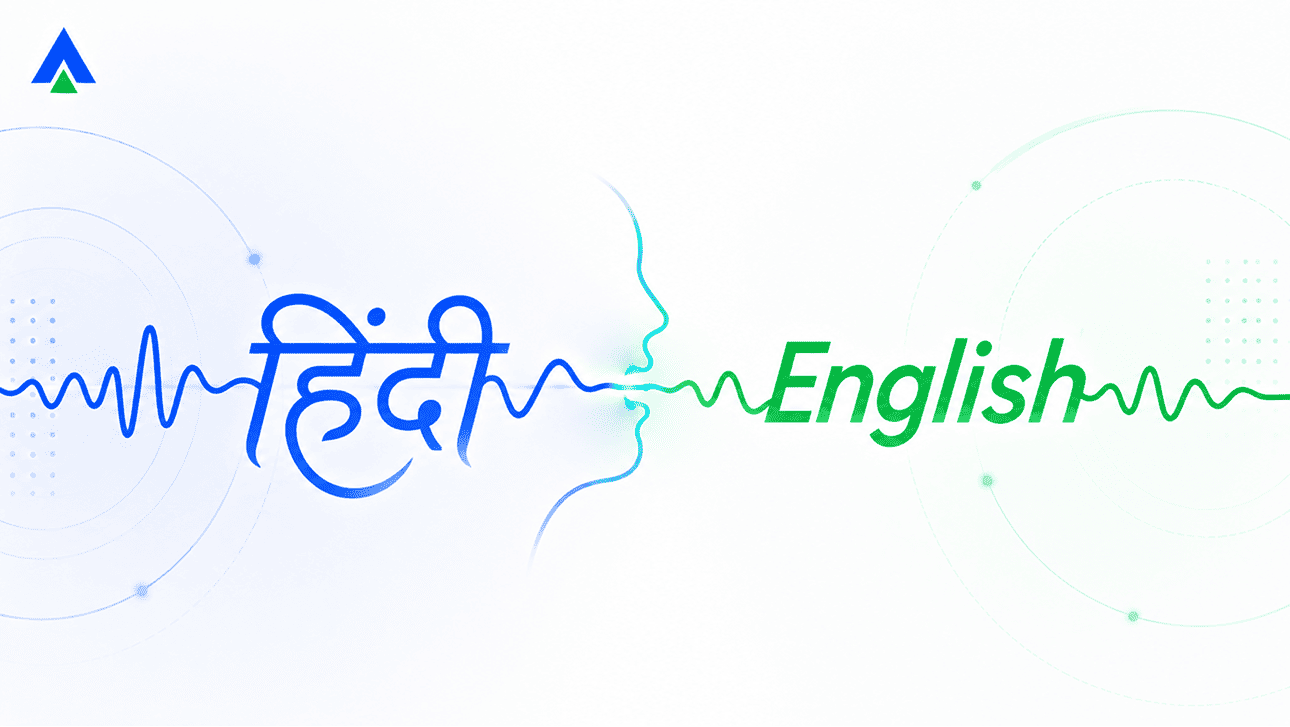
- Handle real language, not menu inputs. A caller who says “I need to know where my order is” does not think in IVR terms. A voice bot understands the intent and responds accordingly. This matters especially for businesses with customers across geographies. A voice bot handles Hindi, English, Hinglish, and code-switching within a single call. IVR requires you to build separate trees for each language.
- Configure without engineering. IVR changes require IT involvement, sometimes a vendor call, and a redeployment window. A well-built voice bot platform lets an operations manager update agent behavior, add use cases, and reconfigure response logic without writing a line of code.
When Does It Still Make Sense to Use IVR?
IVR is not obsolete. It is just specific.
For businesses with genuinely simple, stable routing needs like two departments, low volume, predictable call types, IVR handles the job adequately. If your callers are always pressing 1 for English and 2 for support, and your resolution path has not changed in three years, the complexity of a voice bot platform is not justified.
The problem is when businesses treat IVR as a long-term solution for a growing call operation. The menu tree that took a week to configure in year one becomes a 12-option maze by year three, and the abandonment rate climbs steadily alongside it.
What Should You Look For in a Voice Bot Platform?
Not all voice bot platforms are built for operations teams. Many require engineering involvement at every stage. This defeats the purpose of a non-technical operations manager tasked with deploying AI on a timeline.
Here is what to evaluate before committing:
- No-code agent creation. You should be able to define a use case in plain language and have the platform generate a functional agent configuration. If the first step requires an engineering ticket, that is a signal.
- Built-in pre-deployment testing. The only platform that lets you create AI-simulated users to test your voice agent before it talks to real customers is a platform that takes production quality seriously. Look for the ability to define success metrics, run test scenarios, and iterate before going live.
- Real-time monitoring and analytics. After deployment, you need visibility. Live transcripts, call summaries, latency data, and agent performance should be accessible from a single dashboard. If you want to layer on quality scoring across both bot and human-handled calls, Post Call Analytics is what that looks like in practice. It is worth understanding before you choose a platform.
- Integrated telephony and compliance. Voice bot platforms built on top of third-party telephony providers introduce multi-vendor stacks, India telephony restrictions, and data residency risks. In India, DPDPA 2023, RBI, and IRDAI requirements mean your call data needs to stay within India-based infrastructure. A platform that owns its telephony layer removes this problem entirely.
- A path to expand. Your voice bot should not be a dead end. Look for platforms that connect to your existing contact center so warm transfers carry full conversation context and where the same platform handles both AI and human agent workflows.
The Decision Is Simpler Than It Looks
If your business is growing and your call operation is growing with it, IVR is a temporary solution. It routes callers. It does not serve them.
Voice bots resolve calls. They act during conversations, handle language naturally, scale without menu complexity, and reduce cost-per-call in a way that compounds as volume increases.
The question is not whether to move from IVR to voice bots. For most growing operations teams, the question is when and which platform gives a non-technical team the control to deploy fast, test before going live, and monitor everything after.
AceX by Acefone is an end-to-end voice bot platform built for operations managers, not developers. Define your use case, test with AI evaluators, deploy in hours, and monitor every call from a unified dashboard. Built on India’s own cloud telephony infrastructure, with native compliance and sub-second latency.
Explore AceX and request early access to see how it fits your operation.
FAQs
For most growing businesses, yes. If your call mix includes any conversational use case (order queries, payment collection, appointment booking, lead qualification), a voice bot resolves those calls entirely. IVR only routes them to agents. The exception is very simple, stable operations with fewer than two or three routing paths, where IVR remains adequate.
On AceX, operations managers can go from defining a use case to deploying a live inbound or outbound agent in hours. This is possible because the platform is no-code: there is no engineering team required. Traditional enterprise platforms typically require 6 to 18 months.
AceX is built on Acefone’s DoT-licensed cloud telephony infrastructure, with India-based data residency across the entire stack. This means call recordings, transcripts, and conversation data never leave Indian infrastructure, satisfying DPDPA 2023, RBI data localization mandates, and IRDAI call recording requirements.
Tool calling is the ability of a voice bot to trigger real-world actions during a live call. This includes querying a CRM for customer data, sending an SMS or WhatsApp message, pushing a payment link, or scheduling a callback. IVR systems cannot perform tool calling. They can only play audio and collect keypress inputs.