




Business Process Outsourcing (BPO) has become an integral part of modern business operations. In the last decade, several companies have begun subcontracting their operations to BPO companies both locally and offshore.
BPO services mostly range from customer and technical support to accounting, executive assistant services, and data entry. Given the enormous number of customer calls that pour into an outsourced call center, managers need to take calculated decisions to deliver high-quality services. Therefore, they must monitor key metrics for every agent attending a customer call.
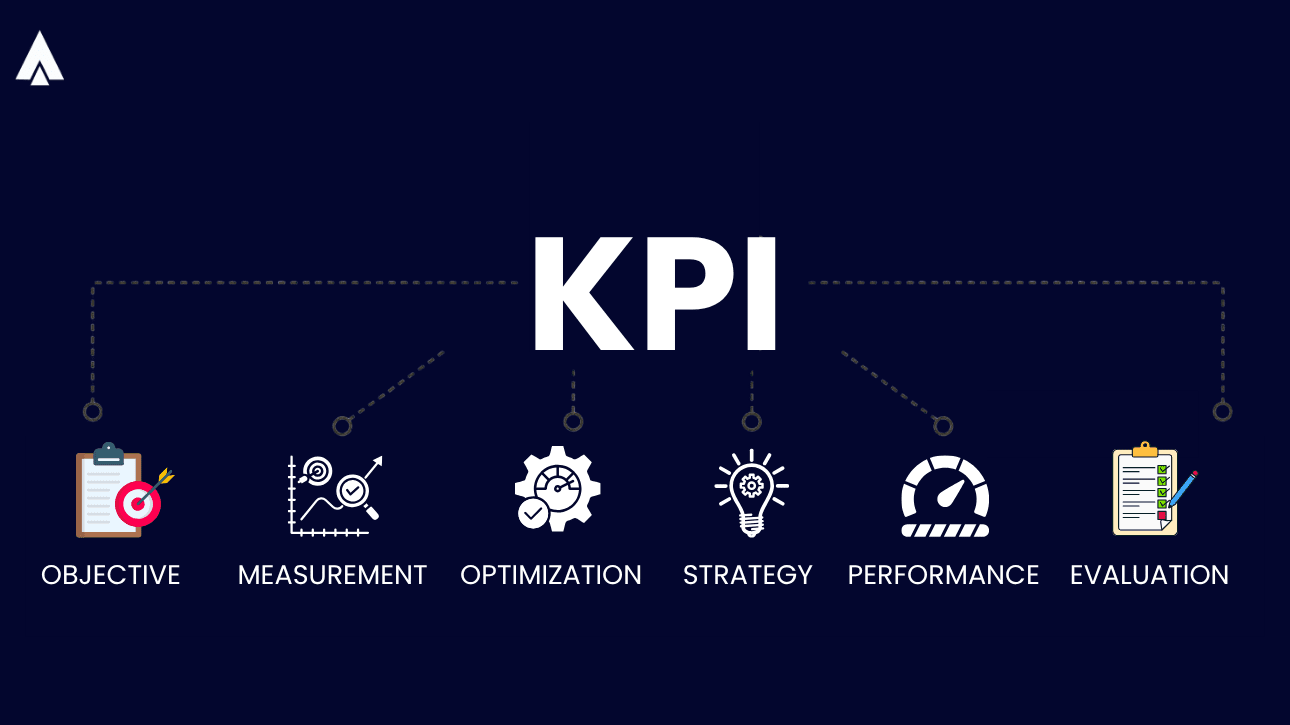
Key Performance Indicators (KPIs) play a pivotal role in this regard. They provide operations-critical and precise data to help managers make informed decisions.
Let’s dive deeper into the top 10 KPIs that you must track for your BPO’s success and how call center software can help you do it better.
What is the Importance of KPIs for BPO Companies?
KPIs are like magic numbers that tell you how well your outsourced call center is doing. It’s like collecting the level-up stars in Super Mario. The more you collect, the higher you score. KPIs have the same significance for BPO companies as those stars are for Mario.
Let’s understand how.
1. Delivering better experiences every day
Every customer interaction directly reflects your brand’s reputation and core values. Managing them at scale often means dealing with everything from simple inquiries to complex issues. Tracking KPIs can help you identify friction points that might otherwise go unnoticed. With these insights, you can improve proactively and enhance customer satisfaction through data-driven strategies and timely interventions.
2. Creating a seamless operational engine
Inefficiencies in customer-facing teams come at a high price, not just financially, but also in terms of brand credibility. Hence, you need a well-tuned system that can help you handle massive volumes of customer interactions, all with the same efficiency. KPIs shed light on operational weak spots such as staffing imbalances or slow resolution times. This way you can address the issues that might be invisible in smaller setups but can significantly affect customer loyalty and market reputation.
3. Turning data into strategic direction
Successful decision-making relies on accuracy and insight. KPIs transform subjective opinions into clear, measurable data that support actionable decisions. They show whether changes (like adopting new technologies or scaling teams) are producing the expected results like AI contact center solutions
Consistent metrics across departments or regions establish unified benchmarks and shared objectives. The decisions informed by KPIs enhance accountability, strategic confidence, and stakeholder trust, especially for publicly traded companies.
4. Empowering performance through agent well-being
Enterprise call center agents often face high-pressure situations that demand empathy, patience, and resilience. To perform at their best, they need genuine support from leadership. KPIs help managers pinpoint where agents excel and where additional training, emotional support, or rest may be needed.
They also reveal workload imbalances, enabling fairer scheduling, and preventing burnout. With targeted resources and data-backed coaching, agents become more confident and capable. This drives stronger, more meaningful customer interactions.
Top 10 KPIs for the Success of the BPO Industry
Monitoring KPIs helps deliver efficient and quality conversations, achieving higher CSAT scores. With integrated AI and automations , KPIs also measure digital transformation success and customer experience improvements. Effective KPI management directly impacts client retention and profitability.
Fret not, you needn’t stress about every single one of them.
We have collated a list of 10 vital KPIs that help BPOs succeed.
1. Customer Satisfaction (CSAT)
It measures how happy your customers are with the services/ products you provide. It is one of the most crucial metrics to gauge the success of a contact center BPO and is often collected through surveys or feedback forms. Here’s what a sample survey question can look like, “On a scale of 1-10, how satisfied are you with the solution provided?”
Based on the score, the customer can be classified into one of the following groups:
- Extremely dissatisfied
- Dissatisfied
- Neutral
- Satisfied
- Extremely satisfied
Track CSAT surveys via omnichannel contact center solutions for better insights into sentiment across channels.
2. First Call Resolution (FCR) Rate
FCR rate is used to calculate the percentage of customer issues that are fully resolved during the very first interaction. It captures that satisfying moment when a customer feels instant relief that their concern is addressed without needing a follow-up or escalation.
The formula for calculating FCR is:
Total number of calls resolved on the first contact/ Total number of calls handled ×100
FCR matters because it embodies the idea of “getting it right the first time.” By minimizing repeat calls and unnecessary transfers, you can reduce frustration and build lasting satisfaction.
In short, monitor your FCR rate closely because it serves as a benchmark for efficiency and service excellence.
3. Average Handling Time (AHT)
It measures how long BPO agents take on an average to handle a customer’s query or issue from start to finish. It helps managers set benchmarks and identify agents who need more training. Overall, it is a great efficiency indicator.
It is also proportionate to the BPO’s CSAT scores. The longer it takes to resolve a case, the more dissatisfied the customers get. To calculate the AHT for a BPO call center software, you can use the following formula:
4. Average Waiting Time (AWT)
The average waiting time in a BPO contact center helps you learn how long customers must wait before they can talk to an agent. If the average waiting time is short (a few minutes), it signifies that customers don’t have to wait long to talk to an agent. Long waiting queues can frustrate callers, impacting customer satisfaction levels and eventually, overall revenue.
5. Employee Utilization Rate
It evaluates how efficiently BPO staff are being used, ensuring they are productive and not overworked. It is the percentage of a BPO agent’s billing work vs administrative work spent during their total working hours.
6. Agent Attrition Rate
It reflects the turnover of employees within the BPO, which impacts overall service quality and consistency. BPO agents are as important as its customers considering they form the foundation of the organization and its various services. It also affects the team’s morale, making it a valuable contact center metric to track.
7. Cost Per Contact
It calculates the average cost of handling each customer, helping to monitor and manage total operational expenses. The company pays a price for every call made, every hired employee, and every operation going on. The time and amount spent on acquiring a new customer every time helps the BPO justify the revenue generated and track their expenses.
8. Net Promoter Score (NPS)
It measures your business’s customer loyalty and the likelihood of recommending your services to others, providing insights into client satisfaction. It is a great way to measure customer loyalty and gauge brand popularity.
Each customer response can be categorized into three groups:
- Promoters: Customers that rate you between 9-10 and are your preachers for your brand’s products and services.
- Passives: Customers who rate you between 7-8, who may or may not actively promote your business. They are also the ones who don’t speak negatively about your business.
- Detractors: Unhappy customers who rate you between 0-6. People who are likely to discourage others from using your products or services.
9. Customer Churn Rate
The customer churn rate refers to the number of customers who leave using the product or services offered. It is applicable to every business yet has more value to BPO contact center. A contact center’s churn rate can be helpful for customer success teams as it determines how many customers end their relationship with the business. To get precise results, you can use the following formula:
10. Monthly Recurring Revenue
This financial KPI is critical for the overall success and sustainability of the BPO, especially SaaS companies. Using this KPI, such businesses can measure the direction in which their organization’s efforts are moving. It also helps businesses determine service fees as it tells them how much they can and do spend on an average every month.
To calculate the MRR, you can use the following formula:
How to Improve Call Center KPIs
Monitoring your call center metrics is just the beginning. The real value lies in using that data to enhance overall contact center performance.
Here are several strategies to help you improve your call center metrics and operational effectiveness:
1. Set realistic, data-backed goals
Creating achievable goals starts with analyzing historical performance data to uncover trends and patterns.
Use metrics such as call volume, average handle time, and customer satisfaction scores to define clear, attainable targets that align with your broader business objectives.
Goals should challenge your team while still being attainable enough to inspire confidence. Regular performance reviews ensure these goals stay relevant as business needs evolve.
2. Use data to identifyimprovement opportunities
Consistent data tracking is key to identifying areas that need attention. Monitor metrics like first call resolution, transfer rate, and call abandonment rate continuously through real-time dashboards.
Break down data by agent, region, or call type to pinpoint specific gaps that may require training or process adjustments. Establishing data-driven goals and promoting transparency around progress fosters a culture of ongoing improvement.
3. Measure progress over time
As your organization evolves through new strategies, updated scripts, or revised staffing structures, your performance metrics will shift too.
Regularly track progress to understand what’s working and what’s not. Tools like Acefone make it easier to monitor and evaluate your KPIs over time.
Acfone’s cloud contact center solution comes with a live dashboard that gives you a dynamic view of your selected business critical KPIs. It has real time call monitoring, in-depth analysis, and AceX insights that uses graphs to show data comparison, helping supervisors track progress and performance lags within the team..
If you want to know more about this, you can read it in this case study where we talk about how we helped a business improve their query resolution time with our contact center solution.
4. Train and coach agents using performance insights
Meaningful training and coaching depend on data.
Metrics such as Customer Effort Score (CES), Net Promoter Score (NPS), and quality audit results provide objective insights into each agent’s strengths and areas for growth.
By reviewing evaluations, survey data, and QA trends over time, you can create tailored training programs. This can help you enhance individual performance and drive long-term team success.
5. Harness technology to boost performance
Technology plays a vital role in optimizing call center operations.
Data-driven routing systems help connect customers with the most suitable agents, while real-time sentiment analysis supports on-the-spot coaching.
Customers also expect flexible communication options, from SMS to video calls. Choosing a modern call center platform that supports multiple channels ensures you deliver exceptional, convenient experiences every time.
The Role of Cloud Contact Center Technology in Tracking KPIs
Cloud-based contact center technology has been evolving dramatically since its inception. The industry is projected to reach $ 525.23 billion by 2030 with omnichannel interaction driving this growth.
Modern cloud contact center platforms now unify communication channels and transform raw interaction data into actionable insights. Their goal is to empower teams to craft data-driven customer service strategies.
Here’s how an enterprise-grade contact center solution can help you track KPIs better:
1. Post Conversational Analytics Tools
Post Conversational Analytics solutions convert countless hours of customer calls into meaningful insights. These tools analyze conversations both in real time and retrospectively, highlighting recurring phrases like “waiting too long” or “unclear instructions.”
Over time, such analysis uncovers deeper trends like recurring complaints, policy confusion, or areas where agents may need more training. Real-time sentiment analysis features also alert supervisors to rising customer frustration. This way, you can timely intervene through tools like call monitoring or barge-in before issues escalate.
2. Intelligent Call Routing Systems
Call routing systems function like traffic controllers, ensuring each caller reaches the most suitable agent. For instance, customers returning with unresolved issues can be automatically connected to the same representative. Alternatively, high-value clients are prioritized and routed to senior agents.
At the enterprise level, intelligent routing uses parameters such as language, region, or issue type to streamline call distribution. This reduces unnecessary transfers, shortens wait times, and ensures smoother, faster resolutions.
3. Deploy advanced outbound and campaign dialers
Modern solutions offer advanced capabilities like multi-mode auto dialer software and campaign management. These features can help you reach more customers efficiently, optimize agent talk time, and track real-time results. They can also seamlessly integrate with CRM systems for smoother data flow.
This way not only can you optimize communication during execution stage, but you can also get insights to plan.
4. Unify interactions and gather real-time feedback through omnichannel tools
Omnichannel communication (voice, SMS, chat, WhatsApp, etc.), with a shared inbox for all channels, is a panacea for customer interaction.
It enables you to meet the customers where they are and collect post-interaction feedback. With that, you can monitor agent workload and customer sentiment and respond proactively. For example, if you detect recurring complaints about “waiting too long” across channels, you can adjust processes, refine agent scripts or increase staffing. This ensures your KPI tracking remains holistic across customer touchpoints.
The Bottom Line
KPIs play a vital role in ensuring that BPOs operate efficiently, meet client expectations, and continuously improve their processes. They provide a structured approach to managing overall performance. They also help maintain a productive and successful outsourcing relationship between all involved parties.
With Acefone’s cloud telephony solutions, you get the best calling experience for your BPO cloud contact center. Easy to use cloud calling solutions with tailored features that match your business’s evolving needs.
FAQs
You should review the KPIs monthly or quarterly to ensure they remain aligned with your business goals, market changes, and customer expectations. Regular reviews help identify trends, refine targets, and adapt strategies based on performance insights, ensuring continuous improvement and sustainable operational efficiency.
To identify suitable KPIs for your BPO, you need to start by analyzing your strategic objectives, customer needs, and operational workflows. Assess historical performance data, customer feedback, and industry benchmarks to select metrics that best reflect success. For example, you can choose first call resolution, average handling time, and customer satisfaction, all ensuring measurable, goal-oriented outcomes.
Enterprises can align KPIs with call center goals by linking performance metrics to broader business priorities like customer retention, efficiency, and service quality. This alignment requires cross-department collaboration, consistent benchmarking, and transparent communication. Implementing this will help you ensure every KPI directly contributes to enhancing customer experience and overall organizational success.
Use advanced dashboards, AI-driven analytics, and real-time data visualization tools to interpret KPI trends effectively. Interactive graphs, heatmaps, and performance scorecards can be helpful in identifying patterns quickly.
Avoid setting unrealistic targets, focusing solely on quantitative metrics, or ignoring agent well-being. Overemphasizing speed over quality can harm customer satisfaction. Effective KPIs balance efficiency, accuracy, and empathy. This approach encourages agents to perform better without unnecessary pressure or burnout, thus ensuring sustainable service excellence.


