


 5 mins read


Key Takeaway
- WhatsApp works for reminders because 850 million Indians already use it daily.
- Meta itself now builds bill payments into the WhatsApp app.
- A WhatsApp reminder persists in the chat with a read receipt.
- A missed call or an unread SMS offers neither persistence nor a receipt.
- Consent and Meta’s template approval keep a reminder from reading like spam.
- On AceX Campaigns, an unanswered voice reminder can trigger an automatic WhatsApp follow-up.
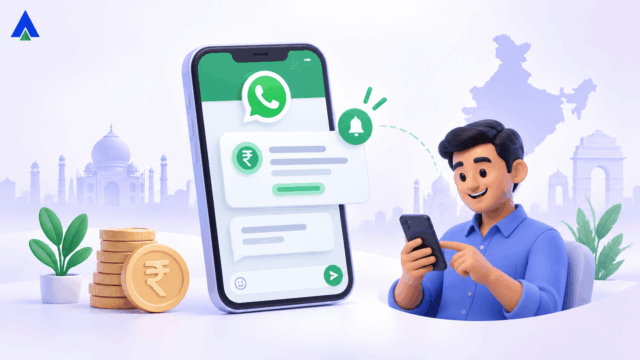
A missed call disappears the moment your customer declines it. A WhatsApp payment reminder doesn’t. It sits in their chat, unread badge and all, until they open it.
That’s the real shift behind India’s move to WhatsApp payment reminders. Customers didn’t switch channels because a vendor asked them to. They were already there, texting family, ordering groceries, and checking bank alerts.
Businesses followed them there to leverage what they can. We’ve watched this shift happen across the industry and our own customer base at Acefone as well.
Why Has WhatsApp Become India’s Default Channel?
WhatsApp is where Indian customers already spend their day, not a channel that businesses had to build demand for. Meta puts India as WhatsApp’s largest market, with over 850 million users as of September 2026. A reminder sent where the customer already is, definitely gets seen. One sent where they aren’t, doesn’t.
Meta reinforced this in September 2026. It launched bill payments on WhatsApp through India’s Bharat Bill Payment System (BBPS), the country’s centralized bill-payment network. Coverage already spans 22,722 billers across 30 categories, from electricity to loan repayments (Electronic Payments International).
India also has 65 million small and medium businesses. Only 5 million of them sell online. WhatsApp is the lowest-friction way for the rest to reach a customer directly.
Why WhatsApp Payment Reminders Get Seen
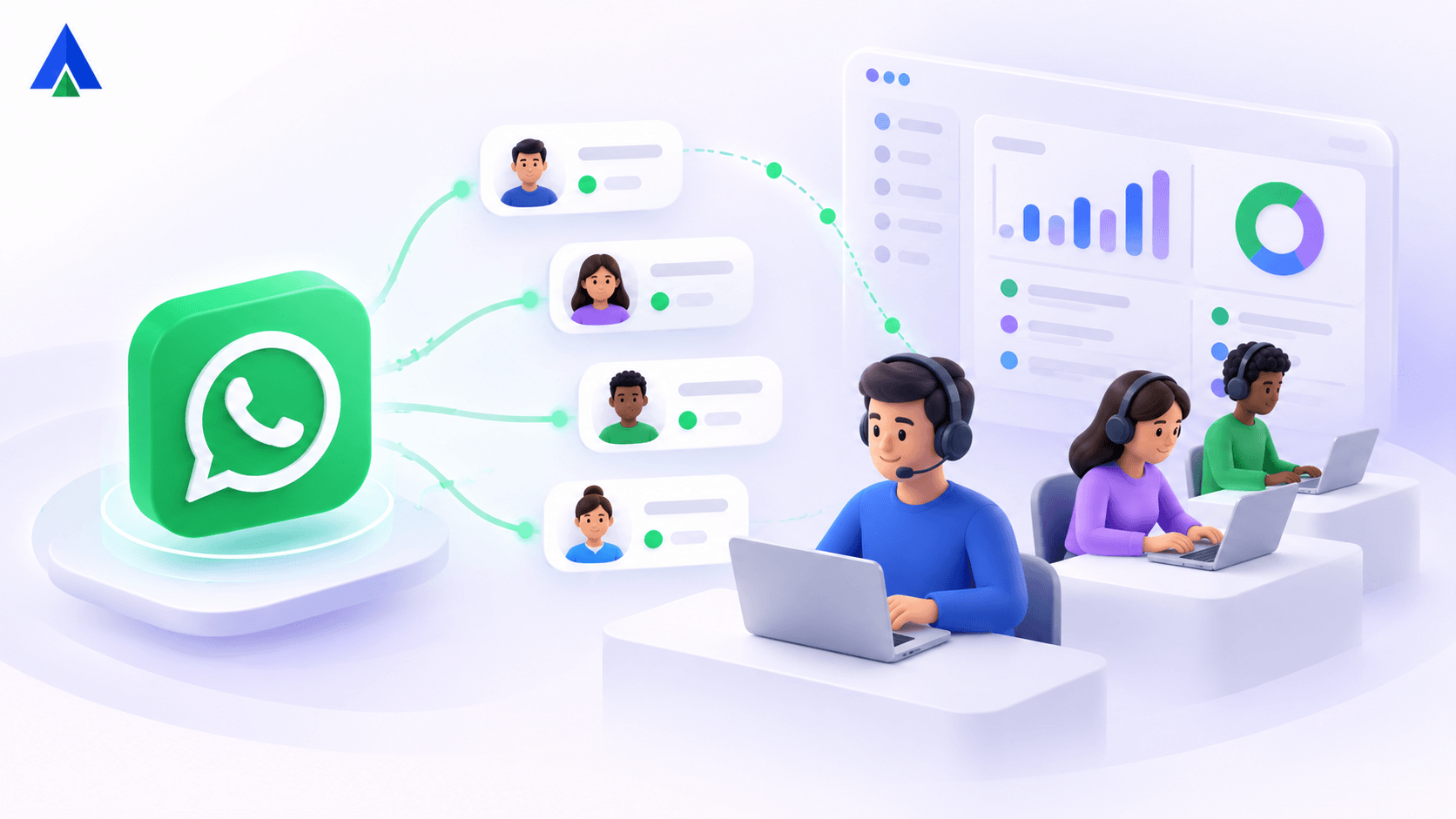
A WhatsApp payment reminder survives longer than a call or a text. It sits in the chat with a read receipt, so you know if it was seen. A missed call carries none of that. An SMS carries only 160 characters and no proof of reading.
A phone call needs the customer to pick up at that exact moment. If they don’t, there’s no record they even knew. SMS fares little better. Many Indian consumers now treat unknown-number texts like spam, unread or deleted on sight.
WhatsApp keeps the message visible instead. The thread doesn’t disappear when the customer doesn’t reply immediately. It’s still there whenever they next open the app, with a read receipt confirming it landed.
That persistence matters most for a reminder. The point is that the customer acts eventually, not necessarily the second it arrives. WhatsApp also carries more in one message: the amount, the due date, and a payment link, formatted clearly. A voice reminder has to say all of that out loud and hope it’s remembered.
Key Reasons Businesses Use WhatsApp for Reminders
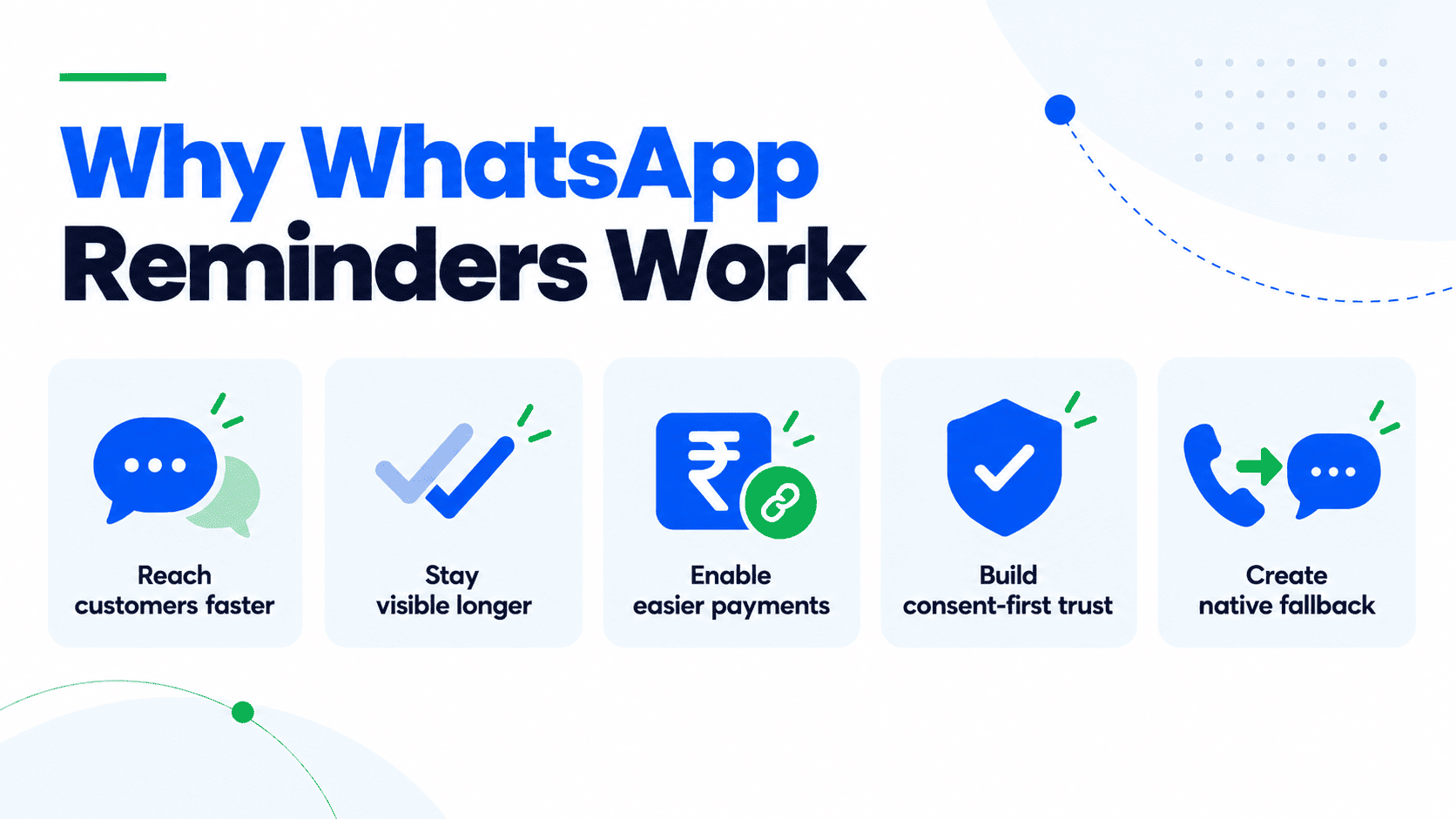
Five factors explain why WhatsApp has become the default channel for payment reminders in India.
- Reach: WhatsApp has over 850 million users in India, more than any other messaging channel businesses can reach directly.
- Persistence: A WhatsApp message stays in the chat with a read receipt. A missed call or an SMS disappears unread.
- Richer format: One message can carry the amount, the due date, and a payment link together, formatted clearly.
- Consent-first trust: Meta’s template review filters out pushy or vague language before a message ever reaches a customer.
- Native failsafe: On AceX Campaigns, an unanswered voice reminder can trigger an automatic WhatsApp follow-up, at no extra cost.
Recommended Blog: WhatsApp API for Business
What Makes a WhatsApp Reminder Work?
A WhatsApp payment reminder works when it’s expected, not intrusive. That starts with consent: the customer opted in to hear from you on this channel. It continues with Meta’s own template approval, which rejects vague or pushy language before it reaches a customer. Tone and timing matter more than frequency.
Every business message needs the customer to have opted in first. That consent can come from a signup form, a loan agreement, or a past transaction. This isn’t just Acefone’s rule; it’s Meta’s.
A template that reads as a threat gets rejected. One that states the amount, the due date, and a clear next step usually clears review in the first time.
Timing matters just as much. A reminder sent the day a bill is due reads as a nudge. The same message, sent a week late without the right tone, can be read as a threat.
Businesses that get this right space for their reminders and escalate tone gradually. They always give the customer a payment link to act on immediately.
How Businesses Run WhatsApp Reminders at Scale?
Running WhatsApp reminders at volume needs two things. Compliant messaging, and a fallback for when a message alone isn’t enough. Many WhatsApp automation tools route messages through a Business Solution Provider (BSP). That’s a reseller that adds its own markup on Meta’s cost.
Acefone runs instead as a Meta Tech Service Provider (TSP). Messages are billed directly by Meta, with no reseller layer in between. Voice and WhatsApp also share one platform here. If a voice reminder goes unanswered, a WhatsApp message can trigger automatically, without a second manual campaign.
Where WhatsApp Reminders Go Wrong
Most mistakes happen because WhatsApp payment reminders get treated like SMS at scale. They skip the consent and template discipline the channel requires. TRAI’s Telecom Commercial Communications Customer Preference Regulations (TCCCPR), 2018 govern this.
Transactional payment reminders don’t need Do Not Disturb (DND) scrubbing the way promotional messages do. They still need real consent from the customer first.
The bigger failure isn’t compliance, it’s tone. A reminder that reads like a threat gets reported, blocked, or ignored. One that states the fact plainly, with a clear next step, gets acted on. Frequency is the second trap: a daily reminder regardless of engagement trains customers to ignore the channel entirely.
Space reminders around the due date instead. The third mistake is routing around Meta’s template review with unapproved formats. A message that fails review never reaches the customer at all.
How Do WhatsApp Reminders Apply to Indian Collections?
For an NBFC or lending team, this isn’t theoretical. A borrower who doesn’t pick up collections call still opens WhatsApp within the hour, most days. A reminder stating the amount, due date, and payment link reaches them anyway.
Collections teams already work in days-past-due (DPD) buckets. Early-bucket reminders, DPD 1-30, are where a plain, well-timed WhatsApp message does the best. It’s a nudge, not a negotiation. On AceX Campaigns, that reminder can run as a follow-on to a voice broadcast.
It uses the failsafe trigger, configured to send WhatsApp messages in case a broadcast call is missed in the first attempt. Some lenders want the conversation to go further, such as capturing a promise-to-pay. AceX AgentStudio’s bot-to-human workflow picks up from there.
Read more: AI Voice agents in collection call workflows
Bottomline
WhatsApp payment reminders work in India for a simple reason. Customers are already there, and the message doesn’t disappear if they don’t respond immediately. Three things matter if you’re building this. WhatsApp’s reach, over 850 million users, makes the channel no longer optional.
The reminder still has to earn its place. That means real consent and a tone that states the fact, not threaten it. And WhatsApp works best paired with voice, with a failsafe that catches what a call alone misses.
Acefone runs both channels, on one platform.
See how AceX Campaigns runs WhatsApp and voice reminders on one platform. Messages are billed by Meta directly, with no separate fee for the failsafe trigger.
FAQs
WhatsApp is where Indian customers already spend their time. It has over 850 million users in the country as of September 2026. A reminder sent there gets a read receipt, unlike a missed call or an unread SMS.
Yes, WhatsApp is legal in India for payment reminders, provided the customer has given consent. TRAI’s TCCCPR, 2018 governs commercial messaging in India. A transactional reminder about a customer’s own account doesn’t need DND scrubbing. It still needs real, documented consent from that customer, captured before the first message sends.
Yes, always. Meta requires opt-in before a business can message a customer on WhatsApp, and Acefone’s template review enforces the same rule. Consent can come from a signup form or a past transaction, but it must exist before the first message sends.
A Business Solution Provider (BSP) is a reseller that provisions WhatsApp access and typically adds its own markup. A Tech Service Provider (TSP), like Acefone, means messages are billed directly by Meta itself, with no reseller layer or added markup in between.
The cost depends on message volume and category, set by Meta, not a fixed per-seat fee. On AceX Campaigns, WhatsApp and voice are each billed by volume per channel.
Not always. Some cases still need a voice call, and a customer who hasn’t opted into WhatsApp needs another route entirely. Relying on one channel alone leaves gaps. Pairing WhatsApp with a voice failsafe covers both cases better than either channel running on its own.
The best time is close to the due date, not after it. A reminder sent when the bill is due reads as a nudge. The same message sent a week late, with the wrong tone, can be read as a threat. Space reminders around the due date instead of sending them daily.
If a customer doesn’t respond, the message still sits in their chat with a read receipt. On AceX, an unanswered voice reminder can also trigger an automatic WhatsApp follow-up, so the attempt isn’t lost. Nothing forces a reply, but the reminder stays visible until they act.
Not fully on its own. A plain WhatsApp reminder works well for early, low-friction nudges, not negotiation. For a promise-to-pay or an escalated case, AceX AgentStudio’s bot-to-human workflow picks up from there. It moves the conversation beyond a one-way reminder.